HK

Osteopathic Manipulative Treatment

Hands-on medicine that treats the root cause — not just the symptom. Dr. Knopp uses his hands as the primary diagnostic and therapeutic tool.

What is OMT?

Osteopathic Manipulative Treatment is a hands-on approach to evaluating how your nerves, muscles, bones, and fascia are interconnected. As a Doctor of Osteopathic Medicine (DO), Dr. Knopp is trained to see the body as a connected system — not a collection of isolated parts.

Where a conventional approach might look only at where it hurts, OMT examines the entire musculoskeletal chain. A pelvis that's tilted forward can cause compression in the low back. Tight hip flexors can change your gait, creating a leg-length discrepancy. These connections matter, and they're often missed in a 15-minute insurance visit.

OMT techniques include soft tissue manipulation, myofascial release, muscle energy techniques, and high-velocity low-amplitude (HVLA) thrust. The specific approach depends on the patient and the condition — there is no one-size-fits-all protocol.

Whole-Body Evaluation

Assessing the entire musculoskeletal system to find the true source of dysfunction.

Medication-Free

OMT is a manual therapy — no drugs, no injections. Treatment happens with trained hands.

Un-rushed Sessions

Thorough evaluation and treatment in the same visit. No assembly-line appointments.

Pricing

Initial visit: $450 · Return visit: $250

What OMT can address

01

Pelvic Obliquity & Misalignment

Pelvic tilt caused by muscle imbalance — tight or weak muscles creating compression, gait changes, and leg-length discrepancy. A root cause of many back, hip, and SI joint problems.
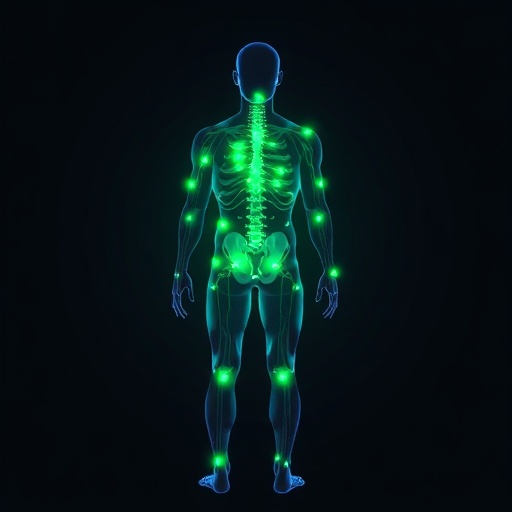
Pelvic alignment
02

Back & Spine Pain

Herniated discs, spinal stenosis, degenerative disc disease, sciatica, and radiculopathy — evaluated through the lens of structural alignment and muscular compensation.
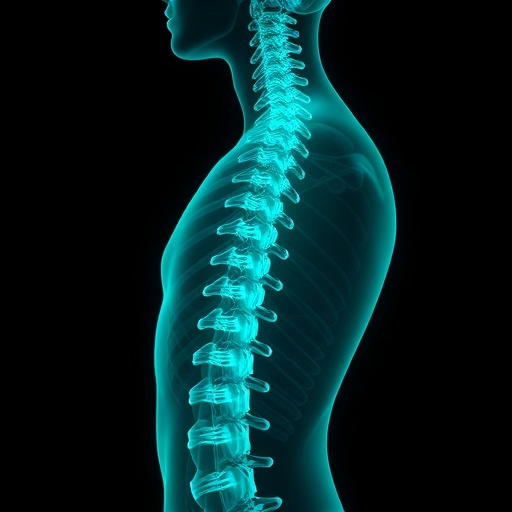
Spine visualization
03

Joint Dysfunction

Hip, knee, shoulder, and sacroiliac joint pain. OMT evaluates the joints in context — how they move, what's restricting them, and what compensatory patterns have developed.
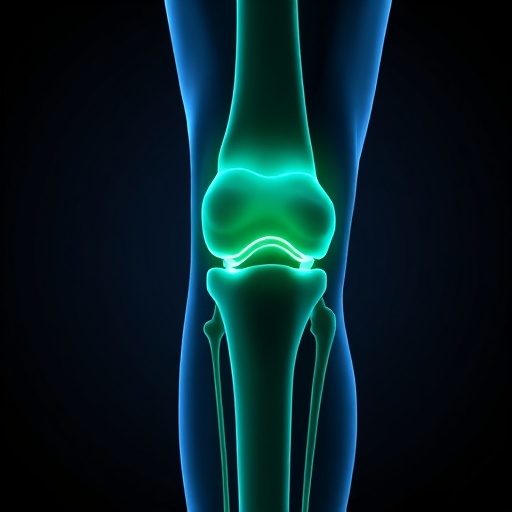
Joint visualization
04

Nerve Pain & Neuropathy

Compression neuropathy, diabetic neuropathy, and CRPS. OMT can address the structural component — where nerves are being compressed by muscle, fascia, or bone.
Nerve pathway visualization
05

Sports & Overuse Injuries

Tendinopathies, muscle strains, and repetitive stress injuries. Treatment focuses on restoring normal biomechanics, not just reducing inflammation.
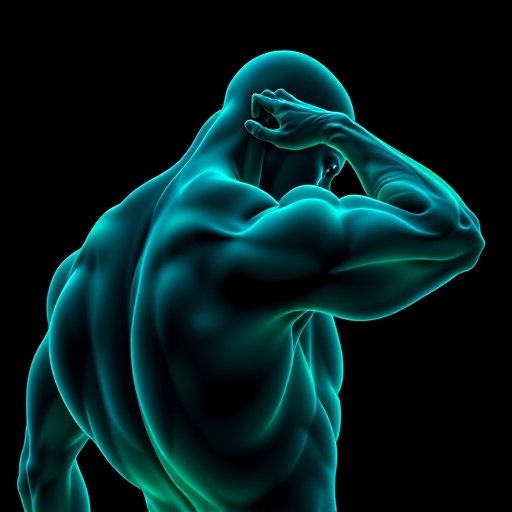
Athletic visualization
06

Chronic Pain Syndromes

Fibromyalgia, myofascial pain, and central sensitization. OMT provides a non-pharmacological approach that addresses the physical contributors to persistent pain.
Pain management

Think OMT might help?

Contact Dr. Knopp directly to discuss whether osteopathic treatment is right for your condition.

Contact Dr. Knopp